
The Beat Is the Clock
What Claude's code-drawn motion videos run on, the engine I picked, the craft rules that separate designed motion from generated motion, and how to tell when a film should move instead of explain.


What Claude's code-drawn motion videos run on, the engine I picked, the craft rules that separate designed motion from generated motion, and how to tell when a film should move instead of explain.

Who runs Higgsfield, what it builds versus resells, how credits and "unlimited" really work, the API and MCP server, and whether to build on it.
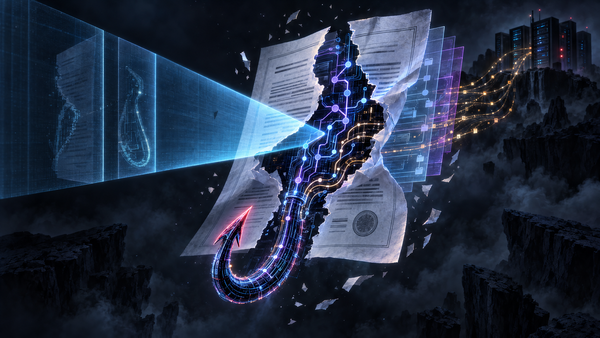
A friendly request for my engineering services came with a git repository in a tarball and an NDA I couldn't find. The NDA was the trigger for a four-stage remote shell. The full teardown, the social engineering, and how my AI harness stopped it before it ran.
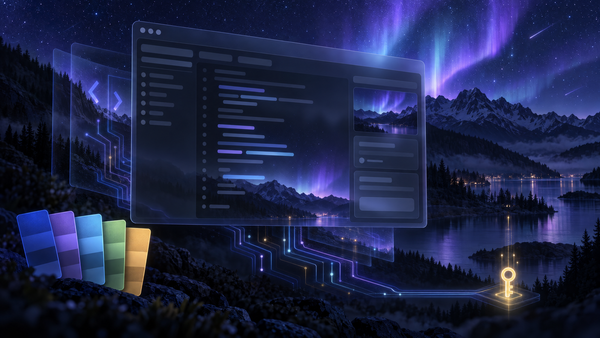
How to build a Claude Code desktop theme with makeColors and an animated SVG, why my first palette passed validation but would have painted nothing, and how to read what a theme hooks before you install it.
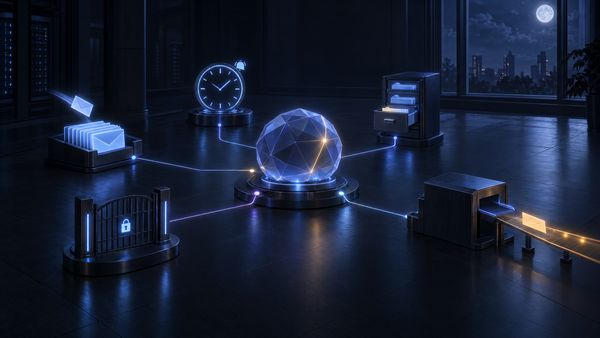
Anthropic's blueprint for always-on agents is mostly not about the model. An explainer of its five parts, the design calls it leaves to you, and what my own harness had and lacked.

Anthropic's prospectus is an unusually detailed account of how a frontier lab runs: most revenue from models under six months old, $900 billion of committed compute, safety incidents disclosed to the SEC, and a structure that keeps control away from public shareholders.
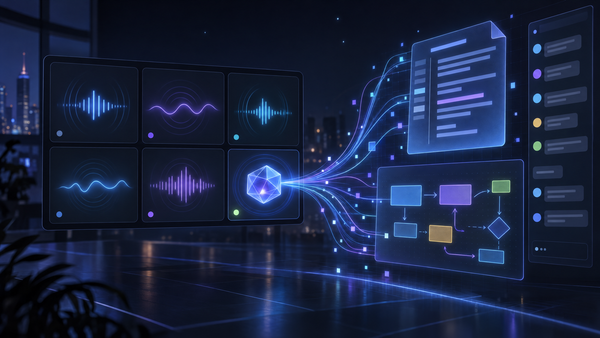
Claude Meetings puts Claude in a Google Meet call as a visible participant that builds docs and whiteboards while people talk. Its rules on whose tools it may use, and when it leaves, are the interesting part.
Nvidia's co-founder is out, the board's inquiry had barely started, and the board has explained nothing. What the public record establishes, what it doesn't, and what one load-bearing founder reveals about AI companies and chip policy.

A free Claude limit reset refills the week's allowance but never moves the weekly reset day. When you press it decides whether you get a whole extra week or almost nothing.
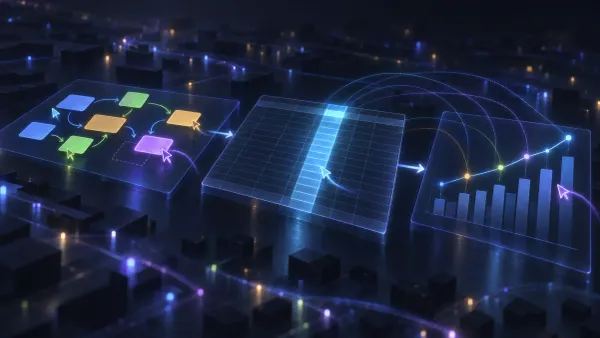
Claude Whiteboards, Sheets and Data are modest as office software. How the agent works inside them is worth studying: versioned writes, claimed ground on a shared board, a visible query behind every number, and an explicit answer to whose access runs it.
Anthropic's new model guide says that past high effort, you should test the next model up instead. My harness did the opposite almost everywhere. What I measured on my own tasks, the four ideas that died, and the roles that moved, the main session included.

Per token, Fable 5.2 still costs twice as much as Opus 5.5. Per finished task, Anthropic's charts say it can cost less. What shipped, what 1,000 agents did with it, what the footnotes say, and how to run the comparison yourself.