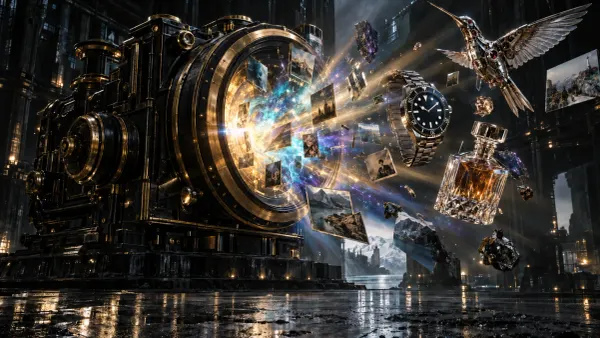
GPT Image 2.5: Pin Sunburst
Two GPT Image 2.5 models, same token rates. Flare is the volume default. Sunburst is the precision one. Pin that when the picture is the product.

AI-Native Principal Software Engineer. Building reliable systems with AI agents, architecture and production discipline.
Two GPT Image 2.5 models, same token rates. Flare is the volume default. Sunburst is the precision one. Pin that when the picture is the product.
Anthropic's proposed TypeScript middleware for Claude Code: how the continuation model works, the proposed API in full, worked examples, and the open questions on availability and cost.

A model can get promoted without receiving a single new weight — just a token, a runtime, and permission to spawn workers. Amodei is right that time is worth buying.

AI assistance can reduce practice when it replaces the thinking a task requires. Research points to task-specific risks and ways to preserve unaided skills.

ETH Zurich had 100 students build apps by prompt alone. Computer science knowledge predicted results best, writing skill added its own share, and frequent LLM users scored lower.

Detect provider usage limits, save verified task state, preserve stop markers and hand over cleanly without confusing account limits with model quality.
Three coding assistants, one desk. Same notes, same rules, same review path — and still no bake-off.
I added Grok Build alongside Claude Code and Codex: Grok 4.6, maximum reasoning, automatic approvals, and fixes that make the setup work.
How I gave my AI assistants a map of current instructions and clearer rules for when tasks can proceed — with the results explained in plain English.
Astra at Ultra. Fable at max. Shared rules, native hooks and deterministic automation — configured and tested, with workload savings still to measure.
GPT-6 Astra’s access, pricing and model settings need separate checks. Compare accepted-task performance and verify availability before changing configuration.
Fable is included on Max at up to half your weekly limits. Input and output cost twice Opus 5; cache reads cost half. Whether it is cheaper per accepted task depends on workload and an efficiency claim that needs testing.