
Fuck You OpenAI
And Fuck Sam Altman Too
And Fuck Sam Altman Too

My harness stopped Claude Code and Codex at 95% of their plan windows, even when usage credits could have paid for more. Now it checks for usable credits first, keeps working until they run low, and says so in the status bar.
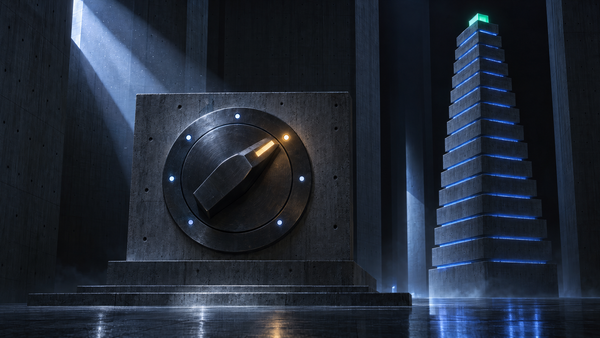
What reasoning effort really changes in Claude Code, Codex and local models: thinking tokens, tool calls, cost, wait and usage limits. The evidence, the defaults that move under you, my own harness settings, and how to choose a level.

One API key, about 350 models, dozens of hosts behind the popular ones. A complete guide to OpenRouter: how its routing, prices and privacy really work, how coding agents plug in, and where it would fit a three-agent harness.

OpenCode on open-weight models, running on a MacBook Pro beside Claude Code and Codex: the agent that works when both are out of quota. Memory, prompt caching, uncensored models, self-updating lineups and a coding duel with Claude.

Agents now ship while I sleep. The scarce work moved from writing code to understanding it, and I think engineering, product, design and data will fold into one role. A short documentary and the case for the product builder.

An 8-minute documentary and a field guide to QMD, the local search engine that gives coding agents a memory: one real query traced stage by stage, the harness that makes agents use it, and the numbers from six months of daily use.

Anthropic's four certification exams cost $99 to $175, are proctored by Pearson VUE and are open only to people at Claude Partner Network firms. Who can sit what, how the exam works, how to prepare, and the free Academy courses for everyone else.

One old post brought in 24 of my 30 new subscribers in two weeks, every one labeled Direct, while Google sent almost nothing. Claude cites it, through links that drop the referrer. The evidence, a check you can run, and what it can't prove.

Google lists Nano Banana 2.1's 1K image output at $0.0336, about a sixth of what one Sunburst image at max cost me. Sunburst still leads all six independent leaderboard views I checked. Prices, Google's 4K discrepancy, features, and which jobs suit which model.

A 9-minute documentary and a field manual for running Claude Code and Codex in parallel: when to stay, clear, branch, fork or spin off, when you need a worktree, what it costs, and how to make the agents do it for you.
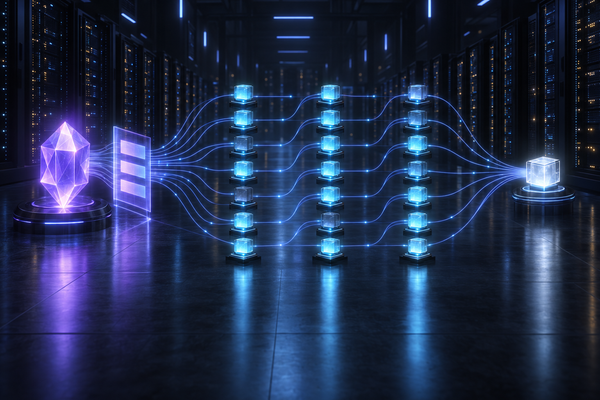
An agent can now write a program that runs many agents in phases on Anthropic's servers. How a run works, what it costs, and what to check first.

One bullet, two qualifiers and a carve-out paragraph: what Anthropic's new rule on cruelty toward its models says, and what it means for you.

Hit your weekly limit on Claude or Codex? Check the usage page first. A free reset may be waiting, and here is how to use it well.

What the $1,000, the free Team year and the fine print are actually worth, and how AWS Activate credits can pay for Claude on Bedrock.

A nine-minute documentary about everything around the models: one rulebook for Claude and Codex, shared memory, cross-provider review, account guards, clean handovers and loops that know how to stop.

Same $700, one provider fewer. What 620 review receipts say about the cut, what it costs, and how two Claude accounts now route by directory.

An agent researched, wrote, voiced, animated and checked a 4:25 explainer on how coding agents work. Here is the complete pipeline behind it, what it cost, and what it still cannot check.

Pro 500 offers 25× the Plus allowance. Optional Ultrafast consumes included usage at 8× and purchased credits at 6× Standard. Is the $700 Claude–Codex pair a better use of the trio’s budget?

A private school network that says children learn twice as fast with two hours of AI a day. What it is, who pays for it, what it costs, what the evidence shows, and whether children outside the U.S. can attend.

OpenAI hasn't announced it, but a $500-a-month Pro Max plan has been spotted in ChatGPT's subscription screen, pitched as "Fastest Work and Codex". What the card shows, what OpenAI's own rate card already says about speed and allowances, and what to check at DevDay.

A fifth of Astra's price for Sol, a hundredth for Luna. My rule for the Codex seat, written before the charts: switch only to a model that beats Astra at maximum settings and costs less. Sol costs less. On every chart OpenAI published, it doesn't beat Astra.

Anthropic shipped Opus 5.5 on September 22: by its own numbers, Fable 5.1's level on most work, at $4/$20 per million tokens against Fable's $10/$50, with medium as the new default effort. What the release measures, where the catch is, and how my Claude seat left Fable the same afternoon.

xAI shipped Grok 4.7 today: a larger base model, 500k context, xhigh still the ceiling, same $2/$6 price, and a few contradictions in its own pages. What the model card measures, and how every Grok pin on my desk moved to 4.7 the same afternoon, balance wall included.