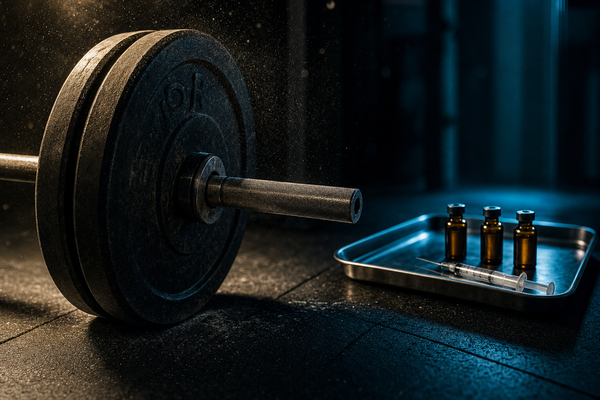
The Most Biohacked Thing at Ritwal Wasn't the Food
If your idea of optimization can't survive lobster, a tomahawk, and a long dinner with people you love, the protocol is the problem.
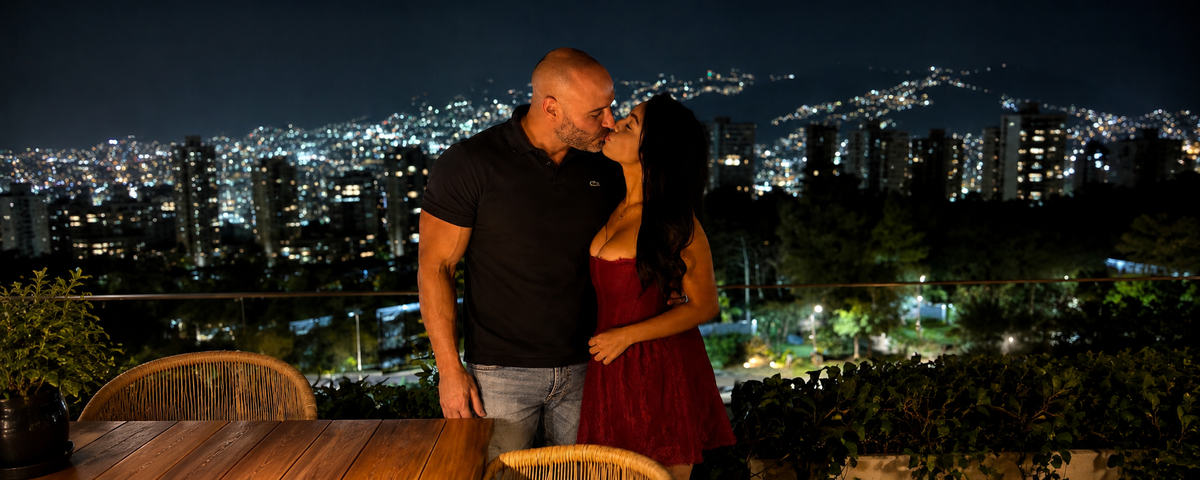
Somewhere along the way, biohacking got flattened into deprivation — the cold plunge, the fasting window, the joyless container of meal-prepped chicken. But the healthiest people I know don't live like monks. They live well, on purpose. A table at Ritwal in Medellín — lobster, a tomahawk, crab claws, fire, and the right people — is exactly that. None of it was a cheat. All of it was the protocol.
Pleasure and health were never natural enemies. Ritwal is built on exactly that premise — and it turns out to be a very good place to prove it.
Product first, fire second
Ritwal calls itself a product-focused restaurant, and that phrase carries more weight than it sounds. Product-first means the ingredient is the dish, not a delivery system for processing. What comes out is what came in — and what comes in reads like a biohacker's grocery list.
The parrilla — open fire — does the heavy lifting, and not only on meat. Tubers and local vegetables go on the coals too, caramelizing their own sugars instead of drowning in oil. That's the whole trick: heat, smoke, and technique doing the work usually outsourced to heavy sauces and industrial seed oils. The thing biohackers actually avoid isn't a big steak or even fat — it's seed oil and ultra-processing. Fire sidesteps both by design.
Our table went straight to the serious material: langosta, muelas de cangrejo, a tomahawk with a crust you only get from real heat. Seafood is some of the densest nutrition on the planet — lean protein plus omega-3s, zinc, selenium, iodine, B12, and almost no carbs. The tomahawk brings heme iron, creatine, and carnitine: the carnivore-adjacent indulgence done properly, a quality cut over wood instead of a patty under a lamp. And when you want them, the arroces — somewhere between paella and risotto — are right there. Biohacking doesn't require pretending carbohydrates committed a crime.
The most biohacked thing on the table wasn't the food
It was the company.
Social connection is one of the most robust predictors of how long and how well you live — on the order of the big, boring risk factors we obsess over, and stronger than most of the powders in the cabinet. The Harvard research that's followed people for the better part of a century keeps landing on the quality of relationships. Loneliness carries a mortality risk serious enough to sit next to smoking. The long-lived communities we romanticize as blue zones don't share a supplement stack; they share a tribe.
I made this case in Longevity — Good Company: the people around the table aren't decoration for a healthy life — they're part of its infrastructure. Which makes Ritwal's concept more than branding. Its whole idea is the table as el ritual que nos conecte como tribu — the ritual that connects us as a tribe. A long, loud dinner with people you love isn't the thing you do instead of optimizing. On the leaderboard of what actually extends life, it might be near the top. A perfectly timed supplement can't replace belonging.
Aquí y ahora
Ritwal's other line is la experiencia mística de estar aquí y ahora — the mystical experience of being here and now. Strip the incense off it and it's physiology. An unhurried meal, in a beautiful room, with good company nudges the nervous system toward rest-and-digest — the parasympathetic state where you actually absorb food, drop cortisol, and recover.
Most people eat fast, stressed, and half-watching a screen, then wonder why they feel wrecked. Eating relaxed is a different event entirely. Presence isn't a side dish you can order, but the setting and the pace make it possible — and that's not decorative wellness. It changes what the meal does to you.
The second ritual
The table was only half of it. The other half was the next morning: an early swim, then turco — the steam room — then the sauna.
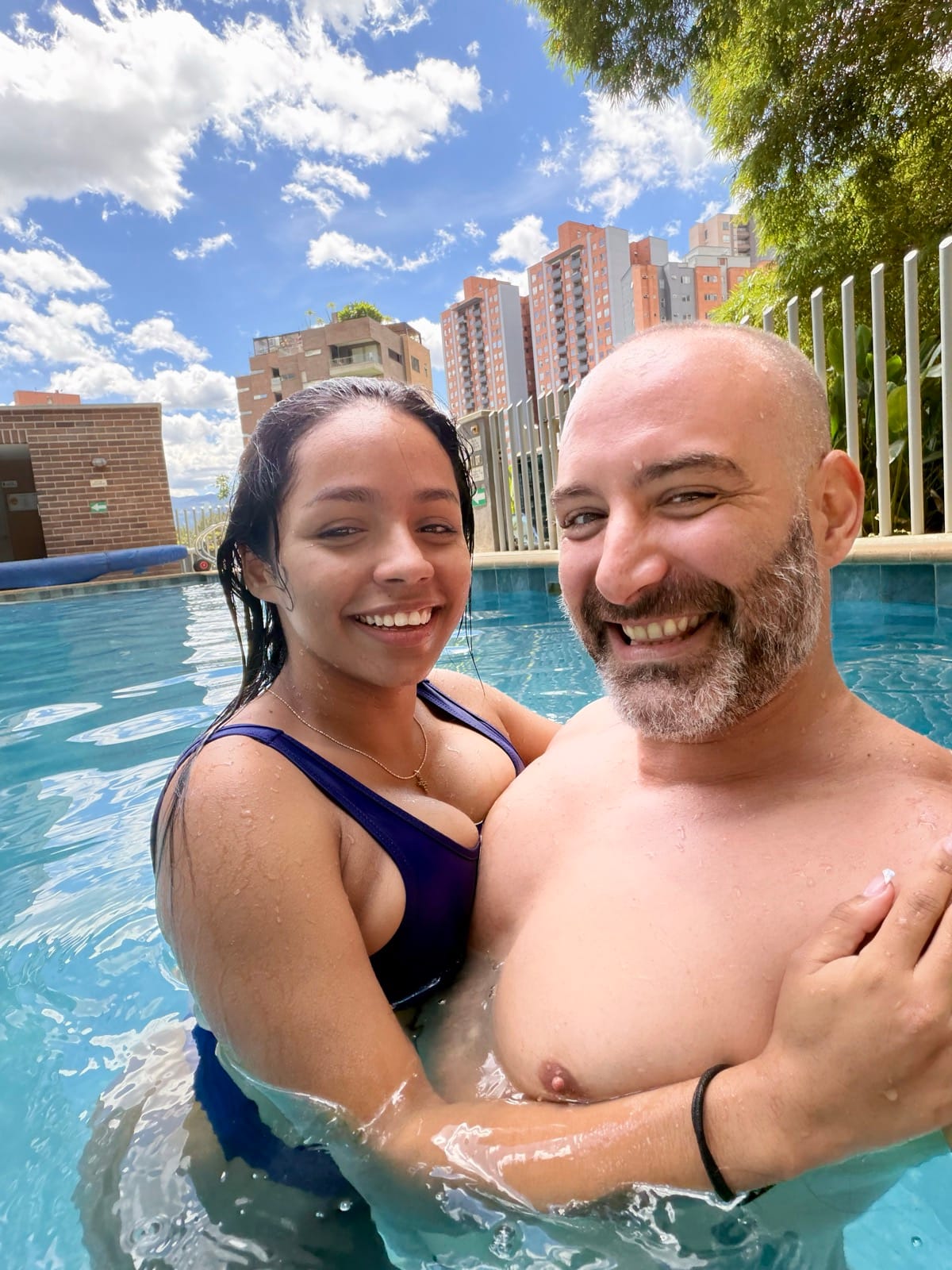
Not penance for the tomahawk — the other side of the same coin. The swim is easy zone-2 movement, full-body, no impact. The sauna is real hormesis: heat that trains the cardiovascular system and triggers heat-shock proteins. In the Finnish cohort data, the more regularly people sit in one, the lower their cardiovascular and all-cause mortality trends — an association, not a promise, but a strong one. The steam bridges the two. Feast at night, sweat at dawn: two rituals bookending one experience, and the loop closes.
The night out is the protocol
I don't call this a cheat meal. That language turns pleasure into misconduct and health into a sentence you're briefly escaping. It's backwards.
Get the product right, cook it over fire, share it with your tribe, be there for it, and close the loop with recovery — and a great night out stops being something you recover from and becomes something you're better for. Indulgence and optimization were never opposites. Done with intention, they're the same evening. Ritwal just happens to be a very good place to prove it.
Longevity — Good Company — why your circle is a longevity lever, not a soft one.
678 Korean BBQ — another night where the meal itself was the biohack.
Wagyu: The Best Fat on Earth — the case for quality fat over fear.
The Recharge Protocol — how I close the loop and actually recover.