Three Months In
Ninety days on a full hormone-and-peptide protocol. The vials are running dry, a blood panel is two weeks out, and after three years the Cuban cigars are done as of today. Round one was the learning curve — here's the scorecard before the real plan begins.
Ninety days ago I started a full protocol — hormones and peptides, medically designed and supervised. Today I'm at the three-month mark, and it's time to take stock. Round one was the experiment. The real plan starts after the blood talks.
The vials are running dry
Most of the compounds were scoped as three-month runs, and right on cue, they're spent. The first batch was the learning curve: start everything, feel the response, adjust the dials, learn what my body actually does with each input. Only testosterone, retatrutide, and NAD+ are still in rotation — the first two by plan, NAD+ because I'm still dialing in the dose.
The three-month scorecard — what each did, and where it stands:
The washout, then the blood talks
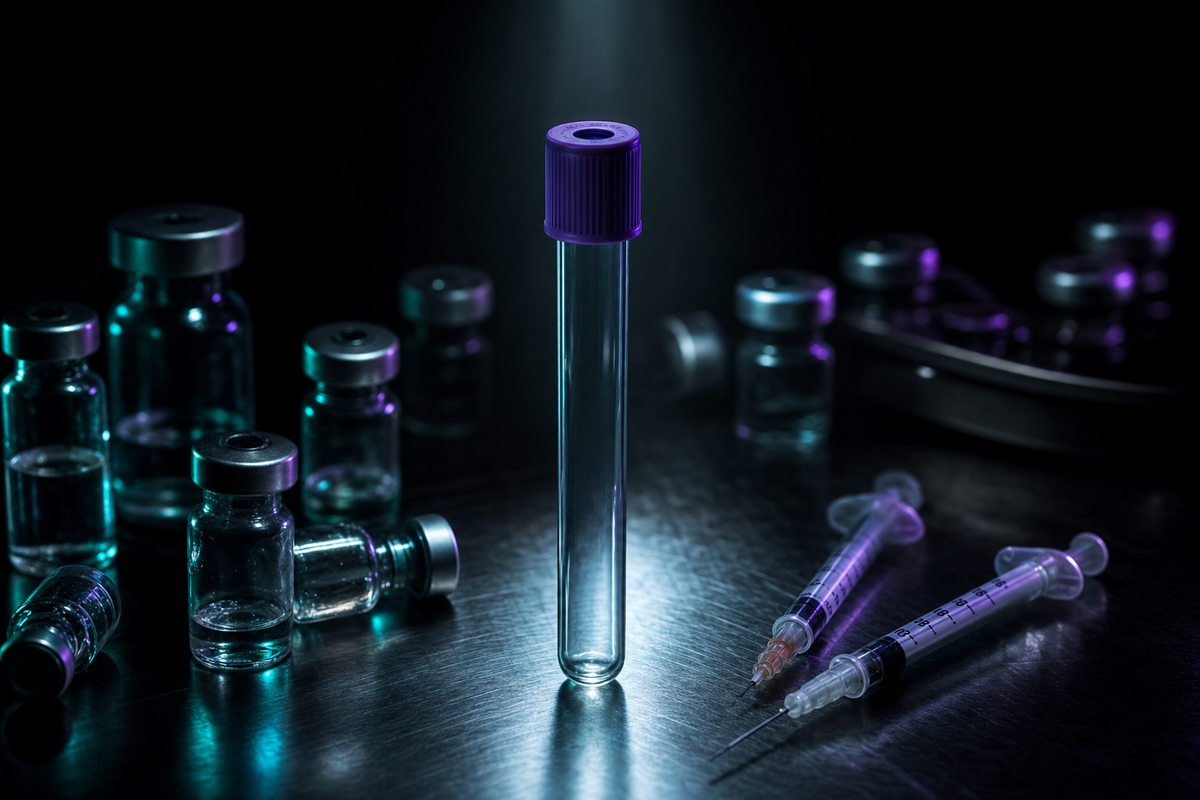
In two weeks comes the milestone that actually matters: a full blood panel. Three days before the draw, everything stops — no injections, no supplements, nothing. The short-acting compounds clear, so the panel reads the *adaptation*, not the last dose. That's the whole point: I want to see where my testosterone, metabolic, and recovery markers actually landed after three months, not the acute spike of a fresh shot.
The results come back about a week after the draw — and that's when the next-level plan gets written with my clinic. First three months: experiment and adjust. Now the real deal is cooking — but panel first.
Restocked to bridge the gap
I'd run dry on a couple of essentials, so I topped up HCG and bacteriostatic water — enough to bridge to the next full batch after the panel. Minor logistics, but running out mid-protocol is exactly how you lose momentum.
The cigars are done
Today is also the day the Cohibas and Partagás hit the bin — for good. Three years of the best Cuban tobacco on earth, and I'm out.
Why now? Because it fights everything the protocol is building:
- Too relaxed, borderline lazy — it quietly drains drive and energy.
- It pushes blood pressure up.
- It chokes blood flow. Nicotine is a vasoconstrictor, so the pump, recovery, and healing all pay the tax — the exact opposite of what a repair protocol wants.
- It's rough on the mouth.
- And it's absurdly expensive.
The next level costs something. This is the price. Day one, clean.
The kids run their own protocol
While dad runs his protocol, the kids run theirs — and theirs is pure movement: mat time, discipline, and a lot of energy burned, coached by David, with Kelly keeping the whole operation together at home. The best thing you can give a kid is a sport, a coach, and the habit of showing up. No shortcuts, just reps.
Then: recovery
And the half of any protocol that people skip: recovery. So the day closed the way it should — football on the screen, a Medellín sunset, nothing to optimize. Real rest, the parasympathetic downshift, is when adaptation actually happens. You don't grow in the gym or the syringe. You grow in the recovery.
Round two gets written in blood
Three months in: the first batch is spent, the cigars are gone, the panel is loading. Round one taught me how my body answers. Round two gets written in blood. Then we talk.
Better Than Ever: Seven Protocol Changes That Compounded — how the dials got tuned along the way.
Retatrutide: The Off Switch — one of the two compounds still in rotation.
Split the Shot — why the testosterone got split twice-weekly.
The Recharge Protocol — the recovery half, where the growth actually happens.
Early Risers — the morning-timing habit going into the next panel.
From CJC-1295 & Ipamorelin to HGH — one of the adjustments on the table.
Next Level Preps — what the ninety-day panel is closing out, and the cycle after it.
Five Tubes of Blood and a 688-Page Manual — how the block actually ended — five tubes and a book.
The Numbers Came Back — and here is what the blood said at the end of it.